Analysis: Despite schedule delays during 2015 the number of orbital launches stayed high

by | Jan 5, 2016 | History, Launches | 0 comments

Analysis of the Seradata SpaceTrak launch and satellite database shows that there were 86 orbital launches last year (2015), making it the second highest total since the turn of the century (the 21st century launch peak was in 2014 with 92 orbital attempts). The high flight rate in 2015 was achieved despite the stoppages in launch schedules caused by earlier failures to Antares, Falcon and Proton launch vehicles. The overall “raw” launch vehicle failure rate for 2015, in which failures are defined if any payload aboard a launch does not achieve its correct orbit due to a launch vehicle related cause, was 5.8%. Despite some high profile failures, this rate was below the ten-year average of 6.3%.

The 86 launches during 2015 carried 241 spacecraft, well down on the all time record total of 302 achieved in 2014, but still the second highest total ever. The principal reason for the reduction was that fewer Cubesats and other Nano-Satellites (1-10kg) were launched (102 in 2015 vs 136 in 2014). It is thought that the failure-induced suspension of flights of the Antares launch vehicle was the principal reason accounting for this reduction.

The 2015 launch year was the best since the early 1990s for numbers of Extra-Large Satellites with 34 spacecraft carried. Extra-Large Spacecraft are those classed by Seradata as having launch masses greater than 5000kg.  Note that this category includes very heavy satellites as well as ISS cargo and manned missions.

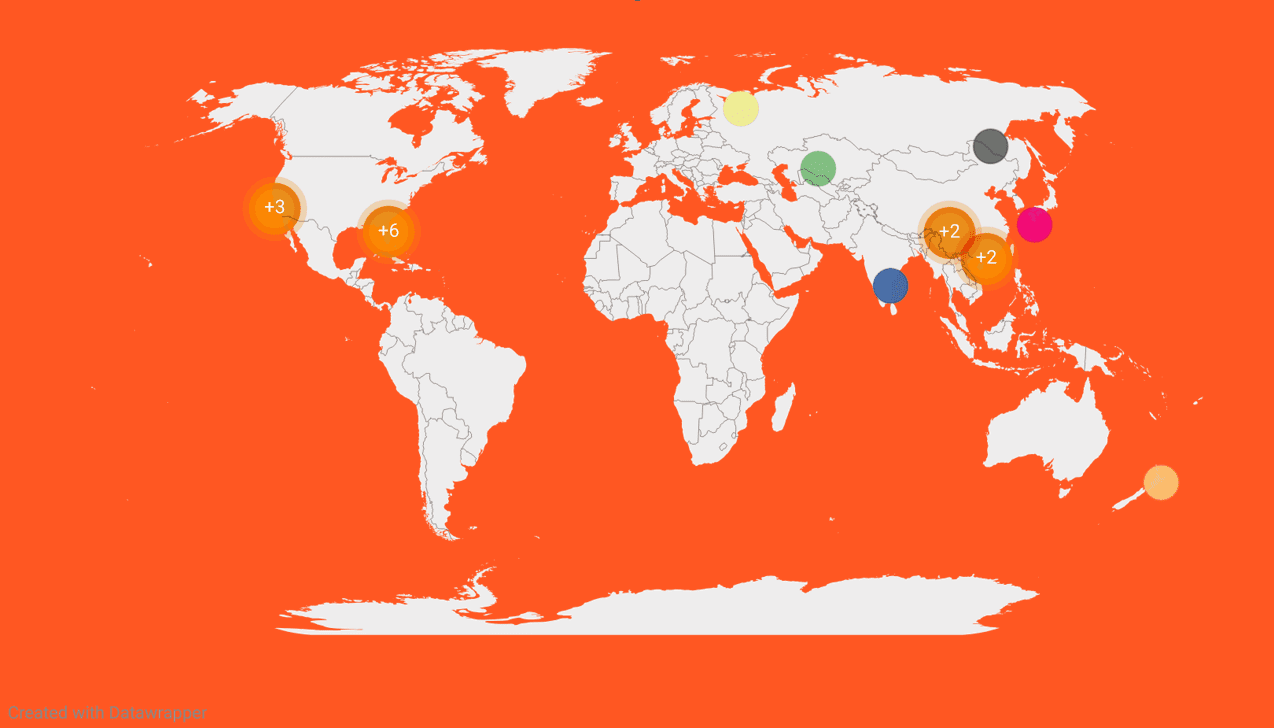
With respect to launch sites, Baikonur Cosmodrome had 18 launches closely followed Cape Canaveral which posted 17 flights.
 

About Seradata

Seradata produces the renowned Seradata database. Trusted by over 100 of the world’s leading Space organisations, Seradata is a fully queryable database used for market analysis, failure/risk assessment, spectrum analysis and space situational awareness (SSA).

For more information go to https://www.seradata.com/product/

Related Articles

Categories

Archives

Tags

nasaspacexecoreviewsissesaArianespacechinavideoFalcon 9v1.2FT Block 525virgin galacticfalcon 9ULARoscosmosevaspacewalkDGABlue Originaviation weekInternational Space StationRocket LabaresIGTsoyuzBeidouawardsStarlinkAirbus DSboeingspaceSatellite broadcastingrussiamoonOneWebISROCargo Return VehiclemarsblogresearchorionspaceshiptwomarsjaxaimpactEutelsatdelayhyperbolaSESdemocratthales alenia spacegoogle lunar prizerocketlunarhypertextobamalaunchVegatourismconstellationbarack obamafiguresnorthspaceflightIntelsatnode 2fundedElon MuskLockheed MartinRaymond LygoAtlas V2009romeExpress MD-2dassault aviationss2sstl2008wk2aviationLucyradiouksuborbitalVirgin Orbittestmissiledocking portexplorationSLSAriane 5 ECAinternetLong March 2D/2China Manned Space Engineeringsts-122Ariane 5Northrop GrummanElectron2010space tourismgalileoflightnewspapermissile defensecotsspaceportExpress AMU 1Long March 4Cbuildspace stationaltairsoyuz 2-1aProton Minternational astronautical congressshuttlespace shuttleEuropean Space AgencyLauncherOneCosmosIntelsat 23scaled compositesAriane 6rulesnew yorkhanleybudgetatvVietnamshenzhoulaunchesnew shepardInmarsatLong March 2CcnesboldenUK Space AgencycongressMojavelunar landeriacGuiana Space CenterUS Air ForceOrbital ATKkscApollolawsSpace Systems/LoralLong March 4BKuaizhou 1AElectron KSVega CdarpaprotonILSTalulah RileyFalcon 9v1.2 Block 5Space InsuranceNorth KoreaeuSkylonAstriumpicturebaseusaastronautdragonlanderfiveeventTelesatEchostarSSLAprilSNC50thinterviewfalconSea LaunchLong MarchWednesdayViasat

Stay Informed with Seradata

Stay informed on the latest news, insights, and more from Seradata by signing up for our newsletter.