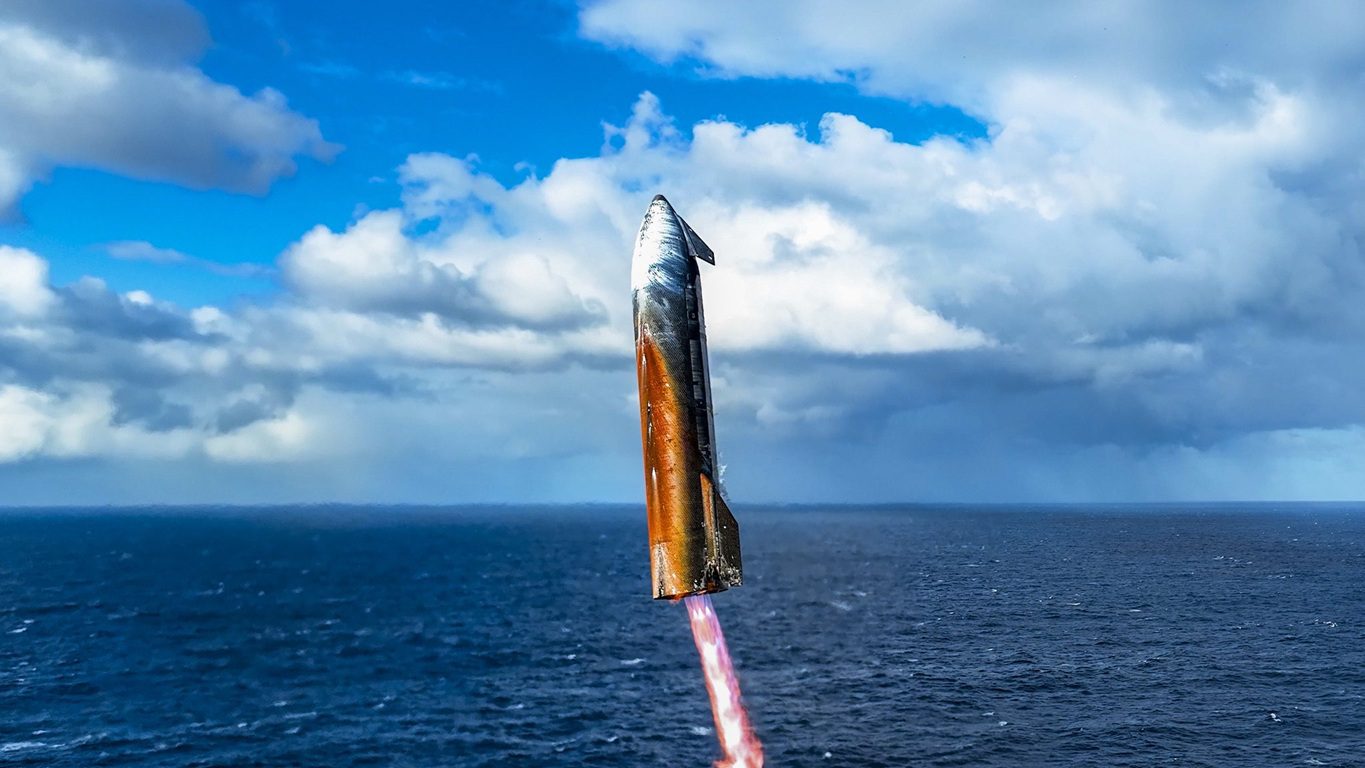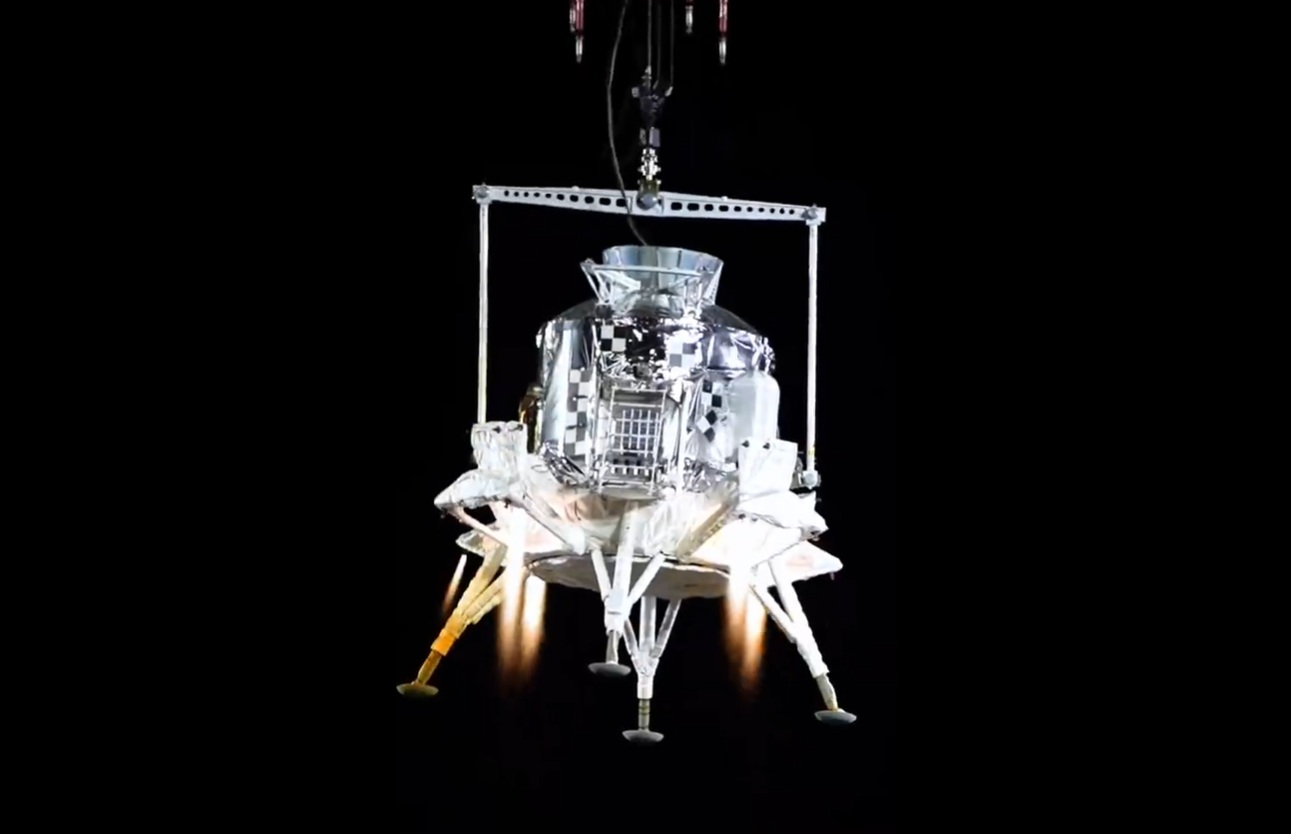
At 1421 GMT on 28 June 2015 a Falcon 9R – a derivative of the standard Falcon 9v1.1 launch vehicle – lifted off from the Cape Canaveral launch site. While all at first appeared to be normal, the launch vehicle exploded in a cloud of vapour 2 minutes 19 seconds into the flight just before first-stage shutdown at an altitude of 45km. An “overpressure” event in the second stage oxygen tank was recorded just before the explosion. The Dragon CRS-7 cargo craft was lost as was the attempt to land the reusable first stage on a barge downrange.
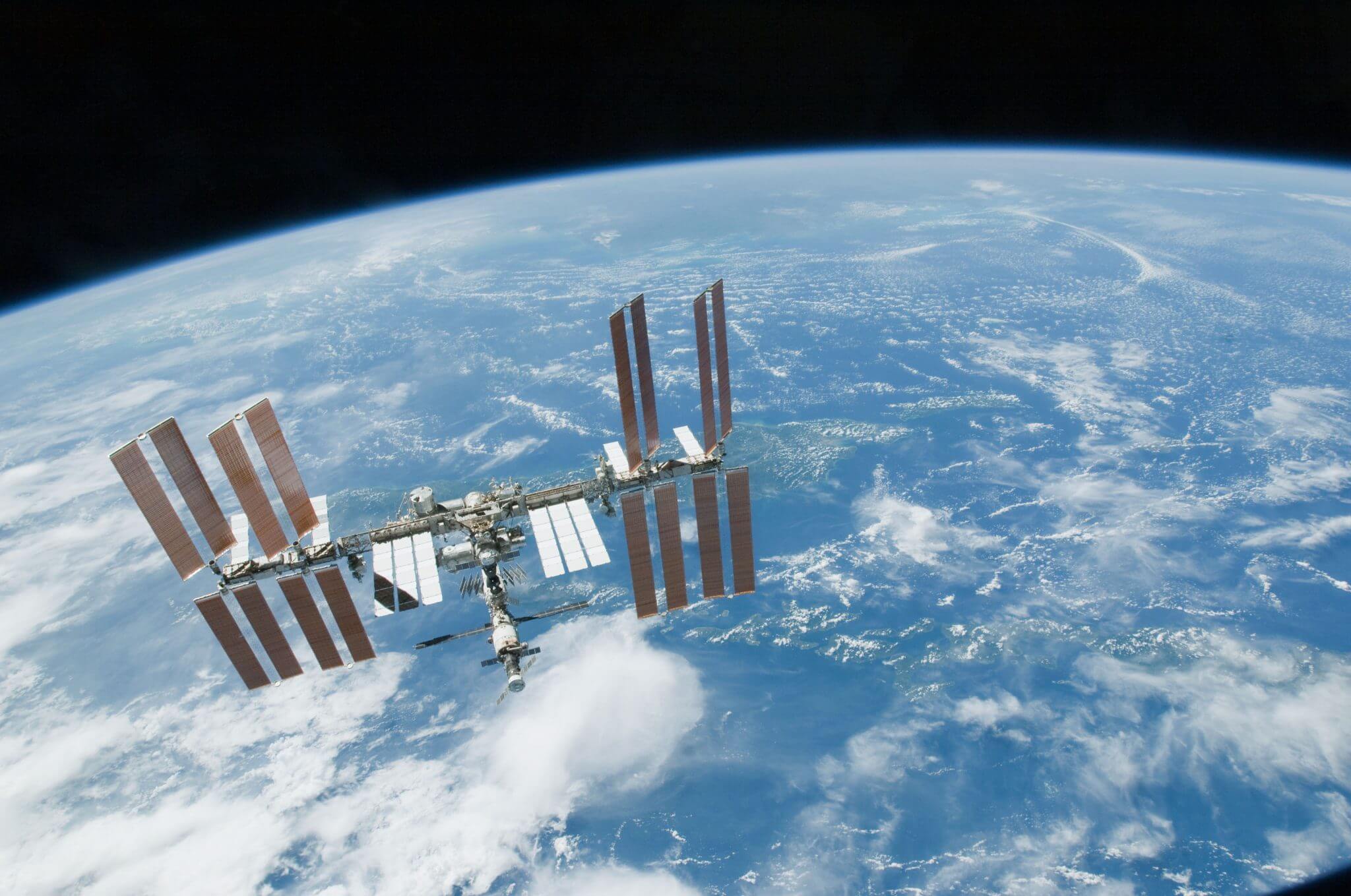
The Dragon CRS-7 freighter was being launched for NASA under a commercial contract to deliver supplies to the International Space Station (ISS). The craft was carrying 1,952kg of cargo in its pressurised section including 676kg of food and other cargo for the crew, and 461kg of ISS hardware. There were also eight Dove cubesat craft (Flocks 1F-01 to -08) carried internally for the Planetlabs constellation. A bigger loss was the 526kg International Docking Adapter (IDA), which was carried in the non-pressurised trunk section of the Dragon spacecraft.
The news was a major blow to SpaceX, which has only recently gained acceptance by the US Air Force to fly military payloads. The Falcon 9 launcher was also planned to launch the SES-9 commercial communications satellite and a multiple Orbcomm communications satellite mission in July/August, and both of these launches are now expected be delayed.
Of more serious concern is that the ISS had already lost two resupply missions before this flight failure. An Antares rocket failure lost the Cygnus cargo mission last year while a faulty separation, caused by a design issue on a Russian Soyuz 2-1a flight, ended the Progress M-027M resupply mission earlier this year. If the next Progress M-028M cargo mission, due in July on a Soyuz U, also ends in failure, then food supplies, which are already running short, could run out in October.
This situation has been exacerbated by the fact that three more crew are due to be launched to the ISS later in July, raising the total souls aboard to six.
NASA pays the commercial companies, in this case SpaceX, according to the milestones achieved on each mission. The companies concerned can insure against the loss of these payments as happened when Orbital ATK insured the failed Antares 130/Cygnus Orb 3 mission last year. In this case, however, SpaceX elected not to insure against the staged payments for the launch.
Nevertheless, there will be an insurance knock-on effect from this failure. Apart from a likely rise in the insurance rate for Falcon 9, which previously was receiving very low premium rates for its flights (only a percentage point or two higher than the very reliable Ariane 5), the subsequent launch delays to insured Falcon 9 flights will seriously affect the stream of premium revenue. Insurers are already struggling to have enough premium revenue by the end of the year to meet claims to date of over US$500 million. Thus, this failure may result in the insurance market making a net loss on a calendar basis for 2015.