Successful Soyuz launch of Progress M-019M is marred by sticky KURS antenna which may prevent docking (Updated)

by | Apr 24, 2013 | International Space Station, Russia, Space Shuttle, space station | 0 comments

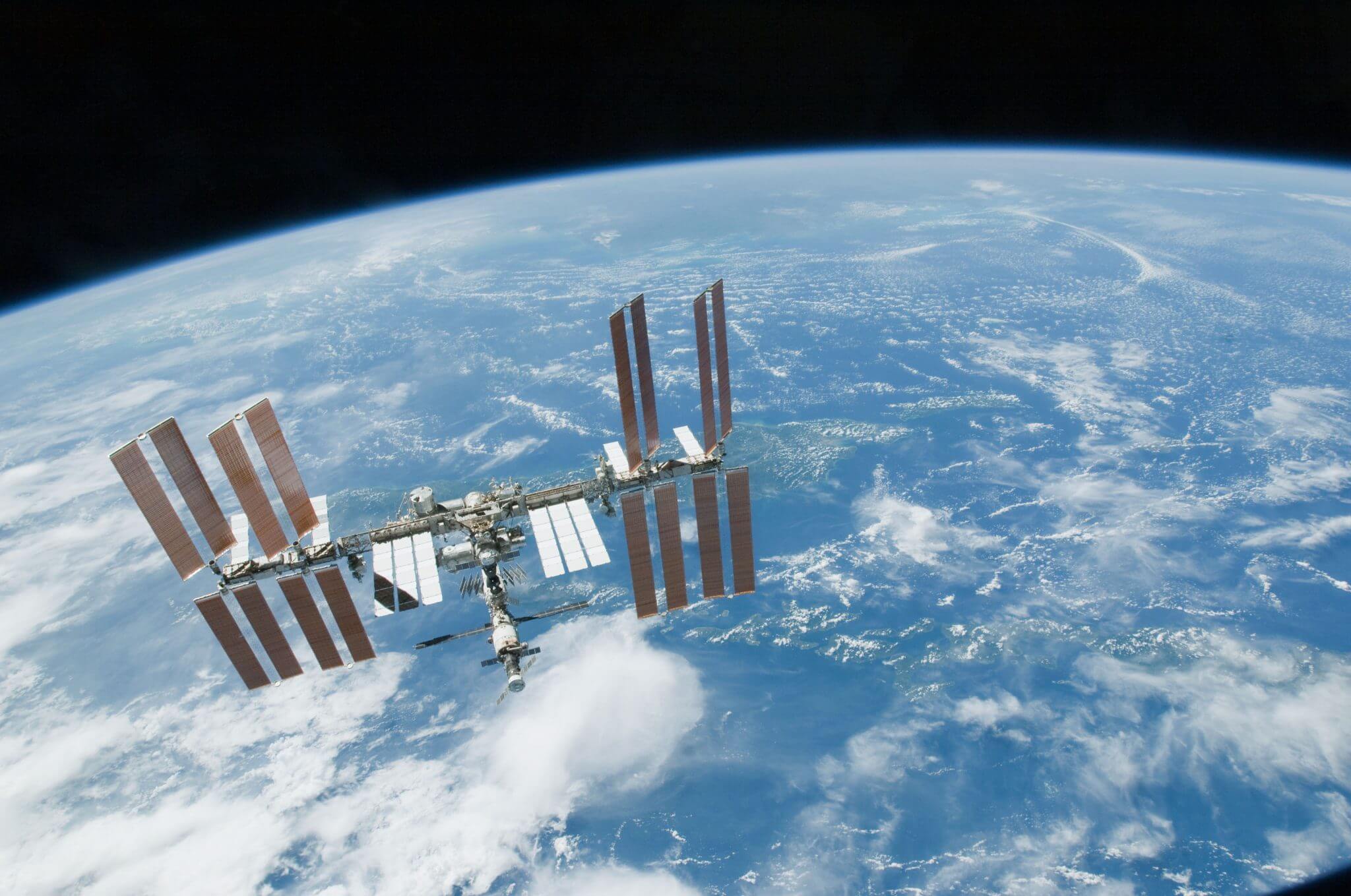
A Soyuz U launch vehicle successfully launched Progress M-019M (ISS-51P) on its mission to the International Space Station from the Baikonur Cosmodrome located near Tyuratam in Kazakhstan.   Aboard were 2.5 tons of cargo and supplies for the astronauts aboard the International Space Station.  Due to orbital alignments, the passage to the space station will take the slower route lasting two days rather than the shorter six hour trip.   Soon after launch an issue was reported involving the failure to deploy of one of the antennas needed for the KURS automatic docking system.  Engineers are attempting to recover the antenna to its correct position

One of the KURS antennas is stuck in its folded/hinged forward in launch configuration.   Courtesy: NASA

Update: While the KURS system and hence antenna is not essential for docking (the craft can be remotely manually controlled and docked), analysis of the latest information from Russian space sources quoted by news agency Interfax is that the KURS antenna has to be locked into its correct deployment position if a docking is to occur.   In its current still folded position, it might physically interfere with the latching probe and pressurised seal of the docking system. One way round this would be for the Progress craft to approach close to the International Space Station and for a spacewalking astronaut to physically move the antenna to allow a final docking to take place.
About Seradata

Seradata produces the renowned Seradata database. Trusted by over 100 of the world’s leading Space organisations, Seradata is a fully queryable database used for market analysis, failure/risk assessment, spectrum analysis and space situational awareness (SSA).

For more information go to https://www.seradata.com/product/

Related Articles

Categories

Archives

Tags

nasaspacexecoreviewsissesaArianespacechinavideoFalcon 9v1.2FT Block 525virgin galacticfalcon 9ULARoscosmosevaspacewalkDGABlue Originaviation weekInternational Space StationRocket LabaresIGTsoyuzBeidouawardsStarlinkAirbus DSboeingspaceSatellite broadcastingrussiamoonOneWebISROCargo Return VehiclemarsblogresearchorionspaceshiptwomarsjaxaimpactEutelsatdelayhyperbolaSESdemocratthales alenia spacegoogle lunar prizerocketlunarhypertextobamalaunchVegatourismconstellationbarack obamafiguresnorthspaceflightIntelsatnode 2fundedElon MuskLockheed MartinRaymond LygoAtlas V2009romeExpress MD-2dassault aviationss2sstl2008wk2aviationLucyradiouksuborbitalVirgin Orbittestmissiledocking portexplorationSLSAriane 5 ECAinternetLong March 2D/2China Manned Space Engineeringsts-122Ariane 5Northrop GrummanElectron2010space tourismgalileoflightnewspapermissile defensecotsspaceportExpress AMU 1Long March 4Cbuildspace stationaltairsoyuz 2-1aProton Minternational astronautical congressshuttlespace shuttleEuropean Space AgencyLauncherOneCosmosIntelsat 23scaled compositesAriane 6rulesnew yorkhanleybudgetatvVietnamshenzhoulaunchesnew shepardInmarsatLong March 2CcnesboldenUK Space AgencycongressMojavelunar landeriacGuiana Space CenterUS Air ForceOrbital ATKkscApollolawsSpace Systems/LoralLong March 4BKuaizhou 1AElectron KSVega CdarpaprotonILSTalulah RileyFalcon 9v1.2 Block 5Space InsuranceNorth KoreaeuSkylonAstriumpicturebaseusaastronautdragonlanderfiveeventTelesatEchostarSSLAprilSNC50thinterviewfalconSea LaunchLong MarchWednesdayViasat

Stay Informed with Seradata

Stay informed on the latest news, insights, and more from Seradata by signing up for our newsletter.