Vega shows its reliability with seventh successful flight – and no failures

by | Sep 16, 2016 | Launches, Satellites, Seradata News | 0 comments

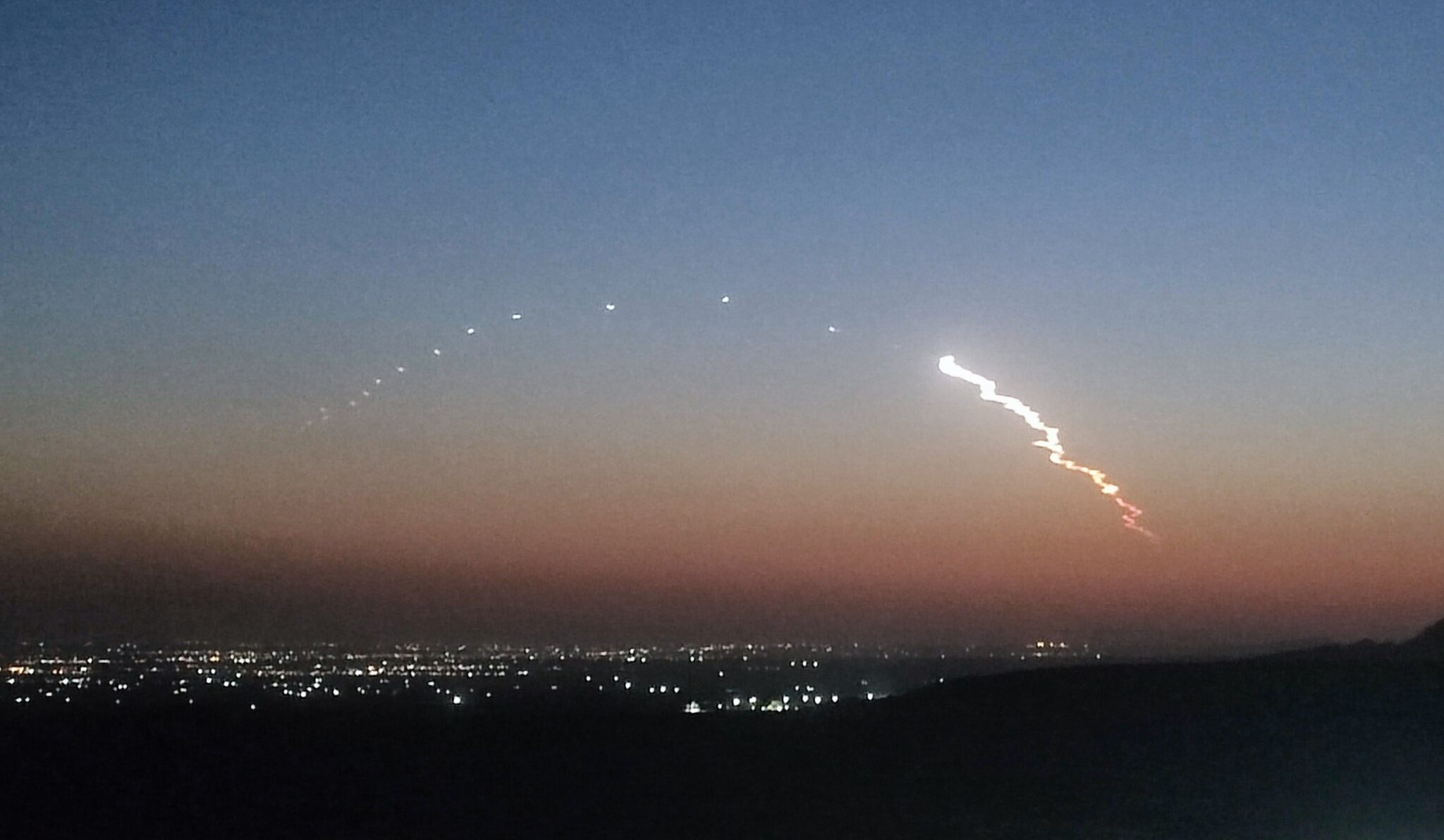
European launch provider Arianespace has celebrated the seventh flight of the Italian-built Vega launch vehicle. While Vega has a reputation for being pricey, the rocket has a rapidly growing reputation for its “get you there” reliability as well. The seventh flight (sixth orbital flight) was launched at 0143 GMT on 16 September, from Guiana Space Centre’s launch site at Kourou. It carried a single Peruvian military Earth observation satellite, called Perusat, which was built by Airbus Defence and Space, and four Skysat Earth observation satellites, built by Space Systems/Loral, for the Google subsidiary Terra Bella.

The launch was complicated by the fact that the satellites needed to be “dropped off” in different orbits. The Vega’s Avum upper stage first made a four ignition multiple burn to deliver the four Skysats (Skysat 4, 5, 6, 7) into their spaced-out locations in a Sun-synchronous orbit at 508 x 491 km, at 97.4 degrees inclination, and then a final burn to place Perusat 1 into its 684 x 667 km, 98.2 degree inclination orbit.

A new version of Vega, the Vega C, is currently being designed utilising the solid rocket stages used for Ariane 6. The payload performance is expected to double for roughly the same launch cost.
About Seradata

Seradata produces the renowned Seradata database. Trusted by over 100 of the world’s leading Space organisations, Seradata is a fully queryable database used for market analysis, failure/risk assessment, spectrum analysis and space situational awareness (SSA).

For more information go to https://www.seradata.com/product/

Related Articles

Categories

Archives

Tags

nasaspacexecoreviewsissesaArianespacechinavideoFalcon 9v1.2FT Block 525virgin galacticfalcon 9ULARoscosmosevaspacewalkDGABlue Originaviation weekInternational Space StationRocket LabaresIGTsoyuzBeidouawardsStarlinkAirbus DSboeingspaceSatellite broadcastingrussiamoonOneWebISROCargo Return VehiclemarsblogresearchorionspaceshiptwomarsjaxaimpactEutelsatdelayhyperbolaSESdemocratthales alenia spacegoogle lunar prizerocketlunarhypertextobamalaunchVegatourismconstellationbarack obamafiguresnorthspaceflightIntelsatnode 2fundedElon MuskLockheed MartinRaymond LygoAtlas V2009romeExpress MD-2dassault aviationss2sstl2008wk2aviationLucyradiouksuborbitalVirgin Orbittestmissiledocking portexplorationSLSAriane 5 ECAinternetLong March 2D/2China Manned Space Engineeringsts-122Ariane 5Northrop GrummanElectron2010space tourismgalileoflightnewspapermissile defensecotsspaceportExpress AMU 1Long March 4Cbuildspace stationaltairsoyuz 2-1aProton Minternational astronautical congressshuttlespace shuttleEuropean Space AgencyLauncherOneCosmosIntelsat 23scaled compositesAriane 6rulesnew yorkhanleybudgetatvVietnamshenzhoulaunchesnew shepardInmarsatLong March 2CcnesboldenUK Space AgencycongressMojavelunar landeriacGuiana Space CenterUS Air ForceOrbital ATKkscApollolawsSpace Systems/LoralLong March 4BKuaizhou 1AElectron KSVega CdarpaprotonILSTalulah RileyFalcon 9v1.2 Block 5Space InsuranceNorth KoreaeuSkylonAstriumpicturebaseusaastronautdragonlanderfiveeventTelesatEchostarSSLAprilSNC50thinterviewfalconSea LaunchLong MarchWednesdayViasat

Stay Informed with Seradata

Stay informed on the latest news, insights, and more from Seradata by signing up for our newsletter.